
The Growing Importance of Tree Cover in Modern Farmland Projects
A farmland without trees can still be useful, but it can feel very different from a place where trees are part of the landscape. Shade, birds, changing leaves, and the cooler feel around trees can make open land feel more settled.
That is one reason tree cover is getting more attention in modern farmland projects. It is not simply about making a property look green. Trees can become part of how the land is used, cared for and enjoyed over the years.
Why Trees Matter On Farmland
Trees do more than stand quietly in the background. They provide shade, create habitats for birds and insects, and can make open land feel less exposed.
The importance of trees on farmland becomes easier to understand when you look at the land as a whole. A few trees may not seem like much at first, but a larger spread of trees can slowly change the character of the entire property.
More Than Just A Green View
People often think of tree planting as something done mainly for appearance. Of course, trees make farmland look better, but that is only one part of it.
The benefits of tree planting can also include shade, better-looking surroundings and more space for birds and other small forms of life. Trees can also make outdoor areas more pleasant, especially during warmer months.
This kind of improvement grows slowly. That is probably what makes it different from adding a new facility or structure to a property.
How Tree Cover Changes Farmland
Walk through an open piece of land and then walk through one with mature trees. The difference is quite obvious.
Good tree cover in farmland can break up large open spaces and create smaller, more comfortable areas. A tree-lined path, an orchard or even a few shaded corners can make the land feel more inviting.
For someone who wants farmland as a weekend escape, this matters. The property starts feeling less like an empty plot and more like somewhere to spend time.
Trees And Sustainable Farming
Trees can also fit naturally into the wider idea of sustainable farming practices. They do not have to be treated as something separate from the rest of the land.
Fruit trees, kitchen gardens, flowering plants and other greenery can all exist together when the farmland is planned with some thought. Over time, this creates a more varied landscape instead of having one type of planting spread everywhere.
It does not need to be perfect either. Farmland is living space, and things will grow at their own pace.
Greenery Can Make Land Feel Cooler
Anyone who has stood under a tree on a hot afternoon knows the difference shade can make. The area beneath a tree simply feels different from standing in the open sun.
This is another reason the importance of green cover is being noticed in farmland planning. More greenery can create shaded spaces where people can sit, walk or simply spend a little time outdoors.
For farmland meant to be enjoyed rather than just owned, these small details can matter more than you’d think.
Trees Bring More Life To The Land
A property with trees often attracts more than people. Birds, butterflies, and other small creatures are naturally drawn to places with food, shade, and shelter.
That gives farmland a different kind of atmosphere. Movement and sound fill the air, even when nobody is around.
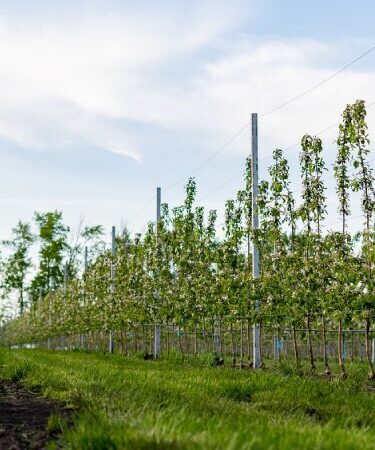
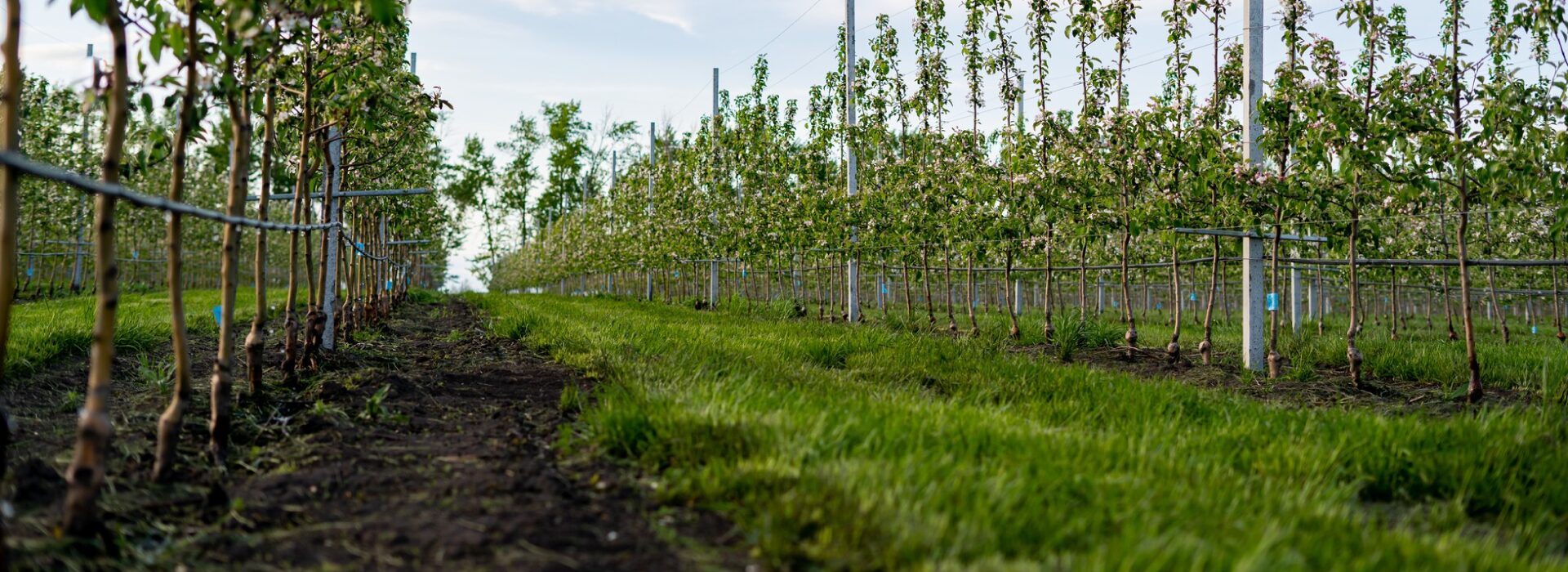
At Vaayu, we have included a fruit tree orchard with more than 20 varieties of fruit-bearing trees, including mangoes and rambutans. We also have spaces where owners can imagine their own gardens, orchards or green corners, making the farmland feel connected to nature rather than separated from it.
Why Tree Cover Makes Sense For Long-Term Farmland
Trees take time. That is perhaps the biggest thing to remember.
A newly planted tree may look small and almost insignificant. Years later, it can become one of the most noticeable parts of the property. This makes tree planting a good fit for the long-term nature of farmland ownership.
A well-planned green farmland project approach is therefore not only about what the property looks like on the day of purchase. It is also about how the landscape might feel after years of growth.
Tree Cover And Farmland Sustainability
No single feature makes farmland sustainable. Water use, soil care, planting choices, and maintenance all play a part.
Still, trees fit naturally into this picture. They add greenery, support local life and make better use of land that might otherwise remain completely open.
That is where farmland sustainability becomes a practical idea rather than just a phrase. The aim is to create land that stays useful, pleasant, and green over time.
How Vaayu Builds Around Green Living
At Vaayu, we are creating farmland across 20+ acres in Shankarpally, with plot sizes of 1/4, 1/2 and 1 acre. We have planned the property with a fruit-tree orchard, drip irrigation, underground electrical cabling, and 40-ft-wide roads.
We also provide three years of free maintenance, helping owners enjoy the land without immediately taking on all the upkeep themselves. Alongside the natural setting, we have included a swimming pool, gym, meditation and spa area, amphitheatre, kids’ play area and party lawns. We want the farmland to have room for gardens, trees and outdoor living while still offering the comfort people expect from a thoughtfully planned community.
Looking At Farmland Differently
Perhaps the bigger change is how farmland itself is viewed. It does not always have to be an empty piece of land waiting for construction.
It can have trees already growing, spaces for gardens, fruit orchards and areas where people can simply sit outside. At Vaayu, we have approached the land with this kind of balance in mind, bringing together open green spaces, planting and everyday amenities.
That makes the idea of farmland feel a little broader. It becomes about the landscape as much as the land.
Final Words
Tree cover may seem like a small part of a farmland project when compared with roads, amenities or infrastructure. But over time, trees can become one of the things that define the place.
They bring shade, greenery, birds and a sense of life to open land. More importantly, they grow with the property.
Modern farmland does not have to choose between convenience and nature. With thoughtful planning, there can be room for both. And sometimes, the simplest sign that a farmland project has been planned with the future in mind is simply the number of trees growing there.