
Are Farmland Values Around Hyderabad Sustainable in the Long Term?
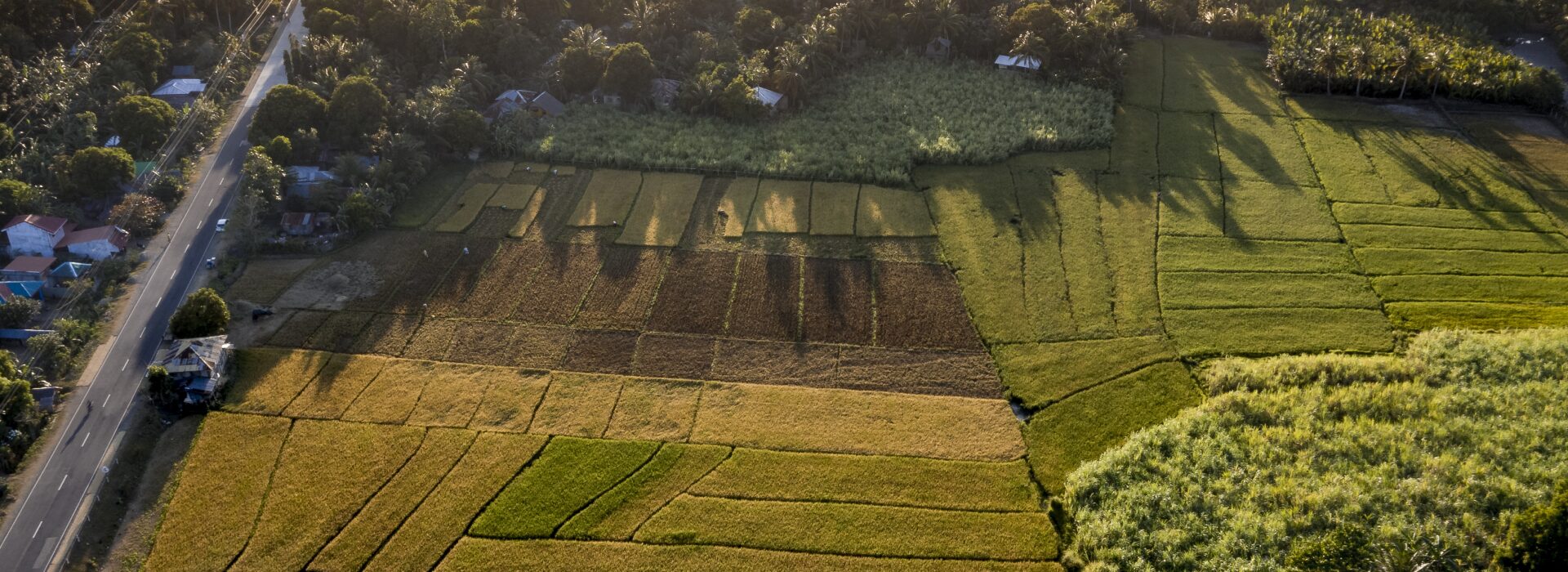
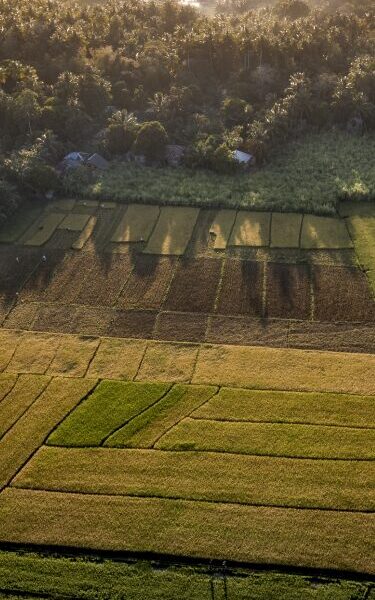
Land around Hyderabad has been climbing in value for years now, and farmland has slowly become part of that story. Not long ago, farmland was mostly about cultivation or inheritance. Now it’s something people talk about as an opportunity. The conversation has shifted from crops to appreciation, from soil quality to future value. That’s usually where the question begins. Are these rising prices something that will hold steady over time, or are they just part of a phase that feels convincing while it lasts? When people consider farm land investment in Hyderabad, the reasoning often starts with the city’s expansion. Hyderabad keeps spreading outward, and areas that once felt distant slowly become connected. That makes farmland feel less remote than it used to, even if the land itself hasn’t really changed. The interesting part is that land tends to stay the same while expectations around it move quickly.
Growth Always Feels Certain
There’s a natural confidence that comes with a growing city. New roads appear, offices expand, and suddenly areas on the outskirts start to feel like they belong to the city’s future. That’s often what makes farmland investment near Hyderabad feel like a reasonable step rather than a risky one. The logic sounds simple enough. If the city keeps growing, land around it should keep gaining value. And for a while, that tends to be true. We at Vaayu see this often when people visit. The land feels calm and open, but most conversations drift toward what the area might look like in ten or fifteen years. Some imagine a quiet weekend home, while others think about long-term appreciation. The land becomes a place for both plans and possibilities. That sense of future growth is powerful. Sometimes it’s powerful enough to push prices up on expectation alone.
The Appeal Of Owning Land
There’s also something more personal behind the demand. Cities have a way of making space feel limited, even when people get used to it. Over time, open land starts to feel less like a luxury and more like something that’s missing. Owning farmland offers a kind of reassurance. It feels steady and physical in a way that other investments sometimes don’t. Even people who don’t plan to farm often like the idea of having land that’s theirs. This is something we notice often when talking about farmland investment in Shankarpally. The interest is rarely just about returns. There’s usually a lifestyle element mixed in, a place to visit, a place to slow down, or simply a place that feels quieter than the city. That emotional connection to land is real. It adds value in a way that doesn’t always show up on paper.
When Investment Becomes The Main Story
At the same time, it’s hard to ignore how much of the farmland conversation revolves around investment now. Some plots are cared for and used regularly, but others are simply held and left alone, waiting for prices to rise. When that happens, farmland slowly starts being valued more for its location than for what it produces. It becomes less about agriculture and more about potential. That shift isn’t necessarily negative. Cities expand, and land closer to growing areas often becomes more valuable over time. But sustainability depends on whether prices stay connected to some kind of practical use. If farmland becomes too expensive to actually use as farmland, then it quietly turns into something else entirely.
Infrastructure And Expectations
Infrastructure tends to play a big role in how farmland values change. A new road or improved connectivity can suddenly make an area feel closer than it used to. Travel time shrinks, and the land starts feeling more accessible. At Vaayu, we think a lot about this long-term view when planning farmland spaces. Access roads, irrigation systems, and basic infrastructure make land easier to maintain and easier to visit. These things don’t just improve convenience, they help make ownership feel practical over time. Still, infrastructure often arrives in stages. Sometimes prices rise quickly in anticipation, even when the actual development takes longer. That gap between expectation and reality can be where uncertainty shows up.
The Long-Term Question
Short-term growth is easy to see. Long-term stability is quieter. It depends on whether people continue to find meaning and value in owning farmland years from now. Land has always had a certain reliability simply because there’s only so much of it. But even then, prices tend to move in cycles. Periods of rapid growth are often followed by slower phases where things settle down. We at Vaayu tend to see those slower phases as part of the natural rhythm of land ownership. Farmland isn’t something that usually moves quickly forever. It tends to grow in stages, sometimes pausing before moving again. That slower pace can actually be a healthy sign. It suggests that the market is adjusting rather than just accelerating.
A Place That Grows With You
At Vaayu, we see farmland investment in Shankarpally as something more personal than just buying land. We’ve shaped these spaces so they’re easy to own and easier to enjoy, with 3 years of free maintenance so you don’t have to worry about the basics early on. Wide 40-ft roads make every plot accessible, while drip irrigation and underground cabling keep the land both practical and uncluttered. The orchards, with their mix of fruit trees, slowly grow into something you can actually experience over time. For us, it’s about creating farmland that feels alive, not just plotted on paper.
Final Words
Farmland around Hyderabad seems to exist somewhere between investment and lifestyle right now. It isn’t purely agricultural anymore, but it isn’t fully urban either. That middle space is part of what makes it appealing. Some people come looking for financial growth. Others come looking for a place that feels grounded and quiet. Most seem to want a bit of both, even if they don’t say it directly. Sustainability probably depends on whether that balance continues. If farmland keeps offering both practical value and personal meaning, then demand may stay steady. If it becomes purely speculative, then the future might feel less certain. For now, the land itself remains patient. The city keeps expanding slowly outward, and people keep trying to decide where they fit into that growth. Maybe that’s why farmland continues to hold attention, not just because of what it is today, but because of what it might become over time.