
How Drip Irrigation Makes Modern Farmland More Sustainable
Water seems simple when you look at a piece of farmland. Plants need it, the soil holds it, and the work goes on. But once the land gets bigger, using water properly becomes a different matter altogether.
Too much water in one place can be wasted. Too little in another can leave plants struggling. This is where drip irrigation makes sense. It is a fairly simple system, but it changes the way water reaches plants. Instead of soaking a whole area, water is delivered slowly to the plants, closer to where their roots need it.
That small difference can matter quite a lot over time.
Why Watering Farmland Is Not Always Simple
Walking around with a hose and watering plants might work for a small garden. Farmland is another story. Trees, plants, lawns, and different patches of soil all need attention.
Water can also disappear quickly in the heat. Some of it may evaporate before it reaches the roots, while some may simply flow away.
Drip irrigation takes a more measured route. It releases small amounts of water near the plants instead of spraying it everywhere. It is not a flashy piece of technology. In fact, it’s easy to understand once you see it in action.
What Drip Irrigation Actually Does
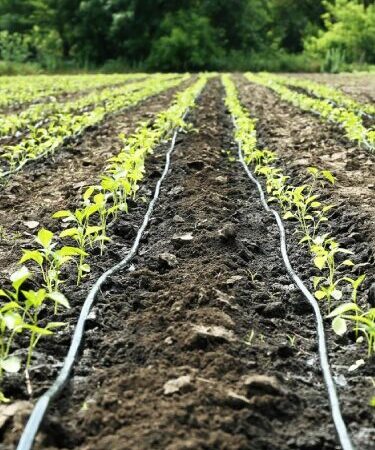
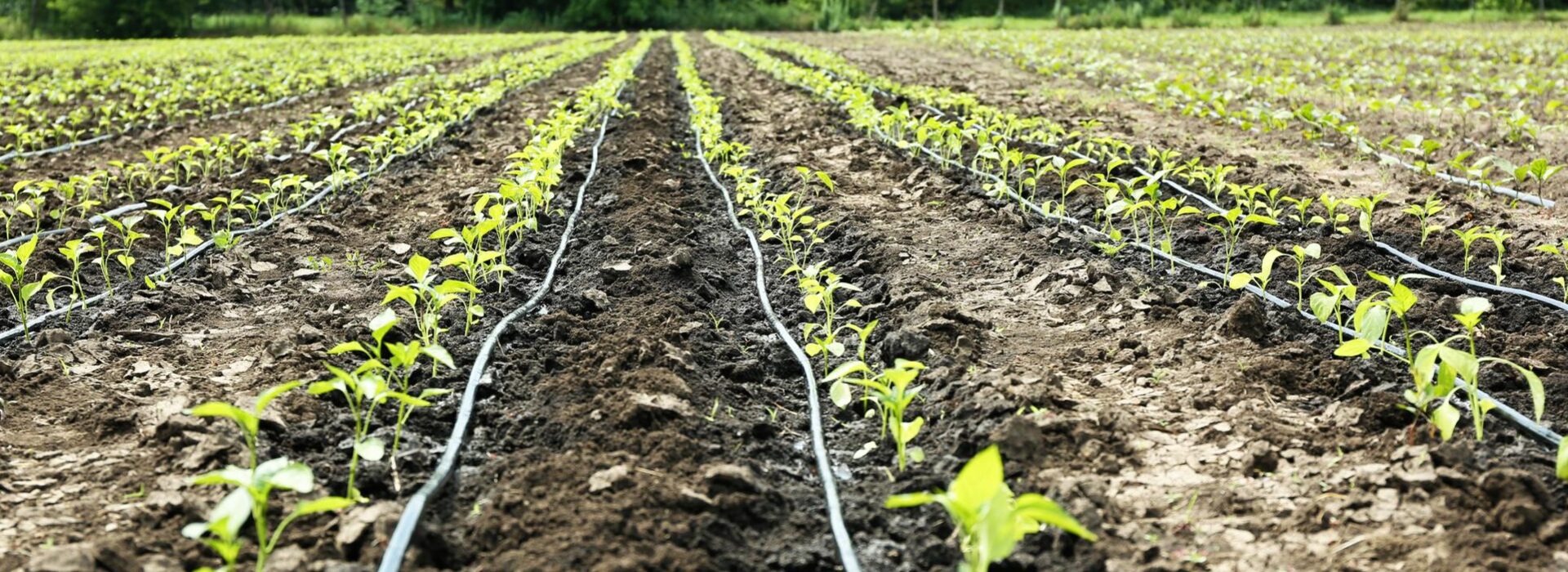
The basic idea is pretty straightforward. Pipes run through the farmland, with small outlets that release water slowly.
The water then moves into the soil around the plant. Because it is being released gradually, there is less need to flood the area just to make sure the roots get enough moisture.
This is one of the more practical benefits of drip irrigation. Water is directed where it can actually be useful.
Where Sustainability Comes In
Sustainability can sometimes sound like a big, complicated idea. On farmland, though, it can be much more ordinary than that.
It can simply mean not wasting water when there is no reason to. It can mean caring for the soil and plants instead of constantly using more resources to keep them going.
That is why sustainable farming practices often look at irrigation. If water can be used more carefully without making plant care difficult, that is already a sensible step.
Making Farmland Easier To Look After
Farmland is not always owned by someone who lives there every day. A person may live in the city, visit on weekends and still want the land to stay green and well cared for during the week.
This is where modern irrigation systems can be useful. Once the system is properly set up, much of the regular watering does not have to depend on someone being there with a hose every morning.
At Vaayu, we have included a drip irrigation system as part of the farmland setup. We use it to water the greenery efficiently, making regular maintenance easier while also keeping water use in mind.
Why Watering Near The Roots Helps
Plants don’t need every inch of surrounding ground soaked. The roots are what really matter.
With drip irrigation, water is released close to the plant and slowly moves into the surrounding soil. This gives the roots access to moisture without covering the entire area with water.
That’s what makes irrigation for farmland useful. It is less about using more water and more about putting the water in the right place.
It Can Reduce Everyday Work
Time is another factor.
Watering a few plants is easy enough. Doing it across a large farmland area is tiring and can quickly become one more chore to keep up with. A properly planned drip system takes care of much of that repetitive work.
This can be especially helpful when the land has fruit trees, gardens or several planted areas. A sustainable farmland setup still needs care, but it doesn’t always have to be complicated.
A Natural Fit For Fruit Trees
Fruit trees need regular watering, particularly when they are being established. Watering around the root area makes more sense than wetting the ground around the entire tree.
At Vaayu, we have a fruit tree orchard with more than 20 types of fruit-bearing trees. We also have a drip irrigation system in place to support the greenery. The idea is practical: keep the trees cared for while using water sensibly.
How Vaayu Brings The Idea Together
At Vaayu, we are creating more than open plots of land. We offer 1/4, 1/2, and 1-acre farmlands spread across 20+ acres in Shankarpally, with features that make spending time here more comfortable. We provide three years of free maintenance, along with 40-ft-wide roads and underground electrical cabling.
The property also has a fruit orchard with over 20 varieties, giving it a greener character. We have also added spaces such as a swimming pool, gym, meditation and spa area, amphitheatre, kids’ play area, and party lawns. We want the land to remain connected to nature, while everyday ownership feels manageable rather than like another long list of work.
Why Small Changes Can Matter
Drip irrigation is only one part of managing farmland well. Plant selection, soil care, maintenance, and land planning all play a role too.
Still, water is a good place to start. Water-efficient farming does not always need a complicated solution. Sometimes, it is simply about noticing where water is going and finding a better way to use it.
When you follow the same approach day after day, the difference can add up.
Final Words
A greener farmland does not necessarily need to look very different from an ordinary one. The trees can still grow naturally, the soil can still feel like soil, and the place can still have that quiet countryside character.
What changes is what happens behind the scenes.
Drip irrigation helps water reach plants more directly, cuts down unnecessary watering and can make regular upkeep easier. It is a small piece of the larger picture, but an important one. When planning farmland for the long term, using water carefully is simply one of those things that makes good sense.